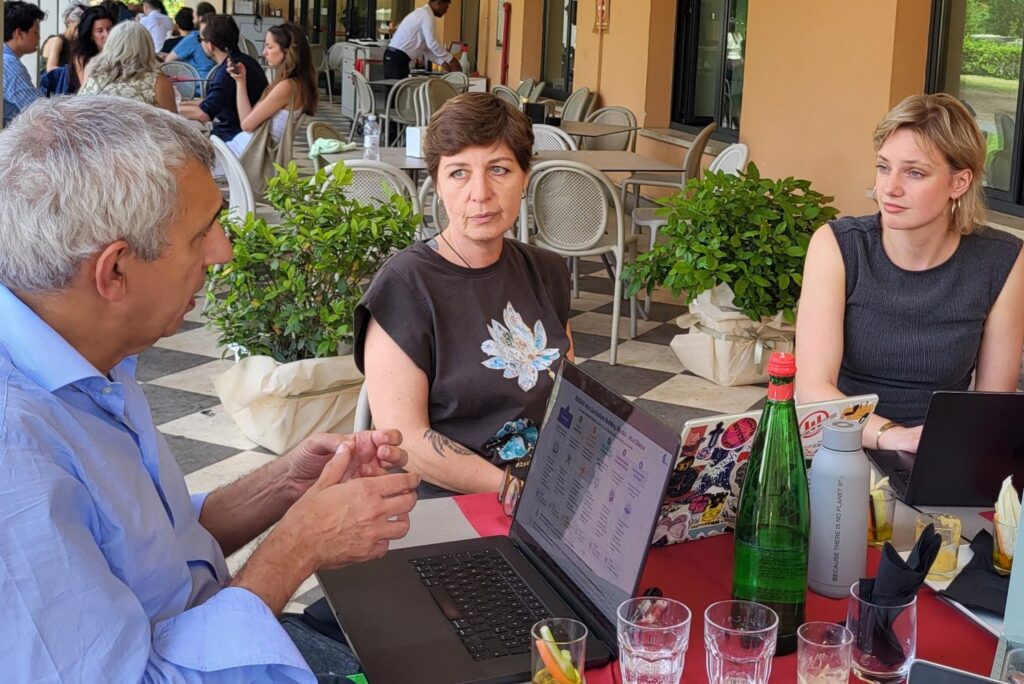
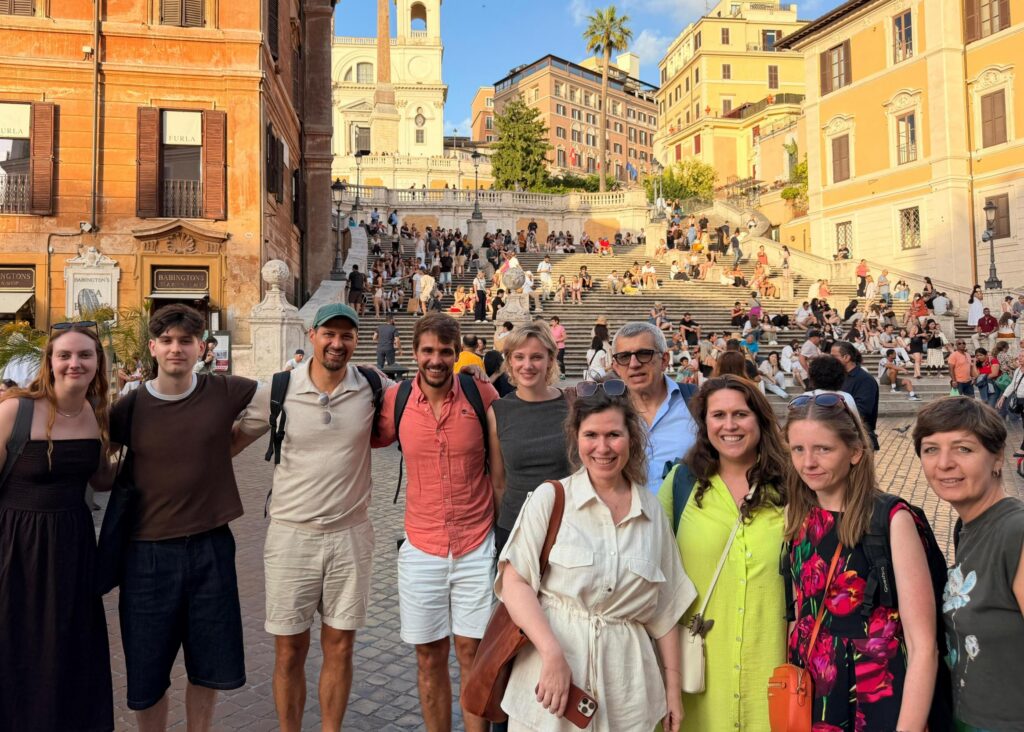
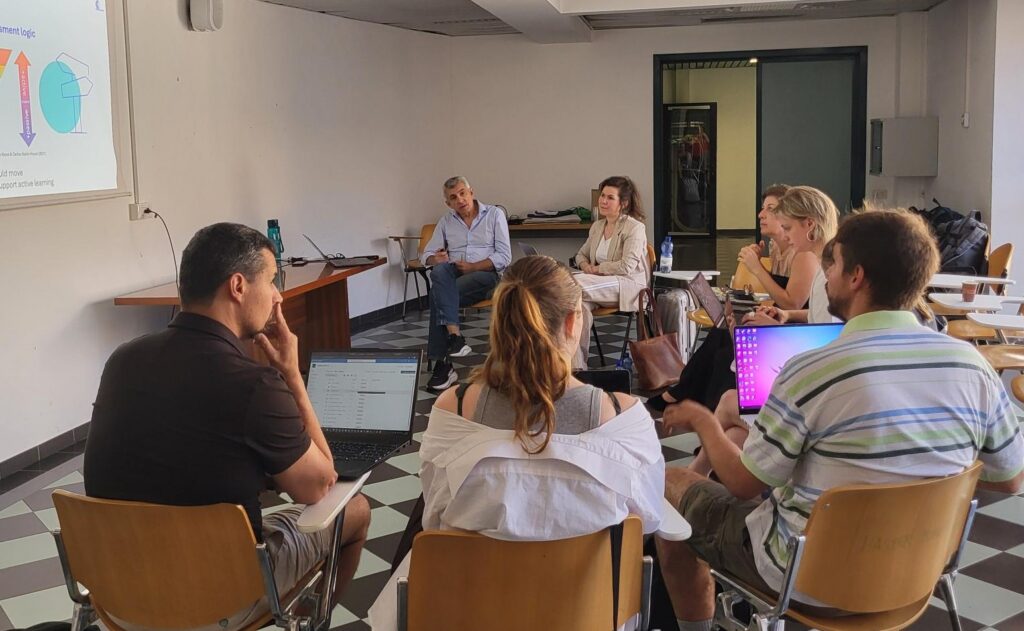
On 10 and 11 June 2026, the RADAR-aim consortium gathered in Rome for an inspiring two-day partner meeting, kindly hosted by the University of Rome Tor Vergata.
The meeting brought together partners from across Europe to continue shaping the RADAR-aim learning programme on AI and sustainability. After the first year of collaboration, this meeting marked an important moment in the project: moving from shared ideas and conceptual foundations towards concrete learning design.
During the meeting, partners worked together on the further development of the programme structure, learning activities and materials. A central focus was the validation of the project’s learning matrix and the translation of key themes into clear, engaging and relevant learning experiences for students, professionals and organisations.
The discussions showed once again the strength of the RADAR-aim partnership: combining expertise from education, artificial intelligence, sustainability, digital learning and practice-oriented training. Through co-creation and constructive exchange, the consortium explored how complex topics such as AI and sustainability can be made accessible, meaningful and applicable in different learning contexts.
Several practical elements were discussed in detail, including the use of learning cards, the structure of the modules, the role of introductory teasers, the connection with real-life relevance, and ways to close each learning experience with reflection and practice. These conversations helped the consortium to further align the pedagogical approach and prepare the next steps towards digital development.
The Rome meeting also offered valuable time for informal exchange, strengthening the collaboration between partners and creating a shared sense of direction for the coming months. With the foundations now in place, the consortium will continue working online on the development and refinement of the learning materials.
A warm thank you to the University of Rome Tor Vergata for hosting the meeting, and to all partners for their active contributions, thoughtful input and positive collaboration.
Together, we are taking the next steps in building a flexible and future-oriented learning programme that explores how Artificial Intelligence can contribute to a more sustainable world.